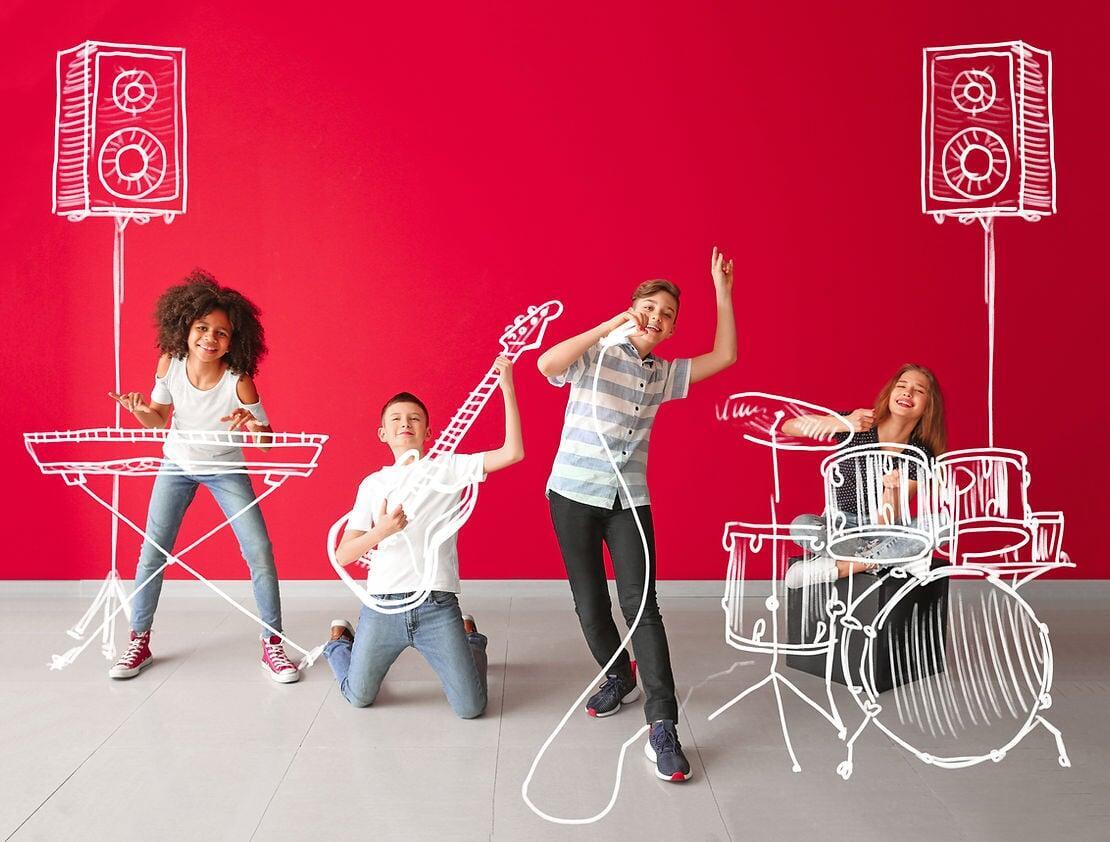
Doesn’t matter whether it’s a four-year-old banging on a toy xylophone or a retired person finally taking that dusty guitar out of the closet for the first proper strum in years, the urge to create music transcends age.
But while the desire to learn an instrument might be universal, the path to actually getting there looks different depending on when you start and the ideal instrument for you to get to grips with.
The good news is that there’s really no such thing as being too young or too old to begin your musical journey. However, the way to get you fully hooked in is to know which instrument makes sense for your stage of life.
In this article, we’ll take a look at the best instruments to start learning based on your age.
Best Instruments for Kids
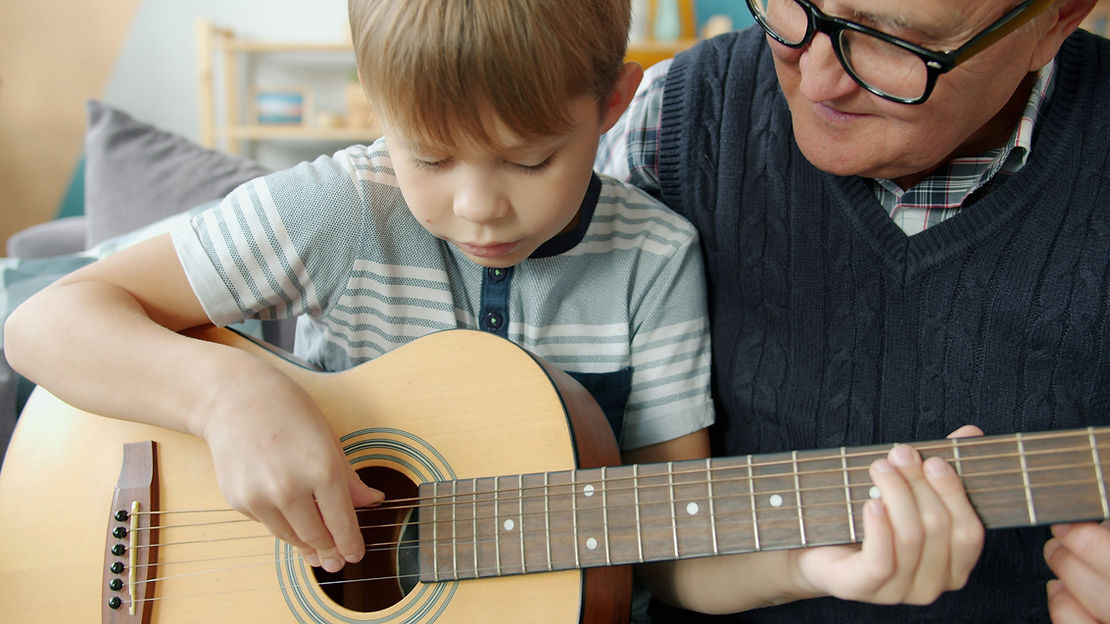
Children are naturally curious and eager to explore sound, which makes early childhood a wonderful time to introduce music. However, the right starting instruments depend on development, coordination and attention span which is why it helps to understand how young children learn, which methods support them best, and which instruments suit different early age groups. This leads into how early childhood exploration works, what young learners need physically, and why certain beginner instruments are ideal.
Why Early Childhood Is a Great Time to Start Music
It shouldn’t need to be said, but children are natural explorers, which means that early childhood is an ideal time to introduce musical concepts.
What Young Learners Need in an Instrument
Despite their natural curiosity, however, the instruments that work best for young learners need to account for several things, including: their physical development, their attention spans, and their coordination levels.
How the Suzuki Method Changed Early Music Education
The Suzuki method, developed in Japan in the mid-20th century, demonstrated that children as young as three could learn violin with proper instruction and appropriately sized instruments. This revealing breakthrough changed how educators thought about early music education and showed that children often have a more intuitive relationship with musical instruments than we’d previously given them credit for.
Best Instruments for Ages 3–5
With that in mind, for children between ages 3-5, percussion instruments still offer one of the best entry points to music. Simple rhythm instruments like hand drums, tambourines, and xylophones allow kids to explore beat and timing — without requiring the fine motor skills necessary for more complex instruments.
Why the Ukulele Works Well for Young Beginners
As well as percussion instruments, the ukulele has also gained tremendous popularity as a starter instrument for young children. This is because, with just four nylon strings and a small body that fits comfortably in tiny hands, it's far less intimidating than a full-sized guitar.
Why Piano Is Ideal for Ages 5 and Up
Beyond this, the piano stands out as perhaps the most versatile choice for children aged 5 and up. Unlike wind instruments which require breath control or string instruments that demand precise finger placement the piano offers immediate gratification: press a key, hear a clear note. The visual layout of the keyboard helps children understand musical concepts like scales and intervals in a concrete way.
When Kids Are Ready for Wind, Brass and Strings
From ages 7-8, children develop the lung capacity and front teeth needed for instruments from the brass and woodwind families. It’s no coincidence that this is when school band programs typically begin, introducing students to flutes, clarinets, trumpets, and trombones. String instruments like violin, viola, and cello can start even earlier with appropriately sized instruments.
How Music Training Supports Child Development
A 2019 study from the University of Southern California's Brain and Creativity Institute found that musical training in early childhood can accelerate brain development, particularly in language acquisition and reading skills. Even a child who doesn’t show an early flair for musicianship will benefit from an early introduction to musical instruments.
What Age to Start Music Lessons
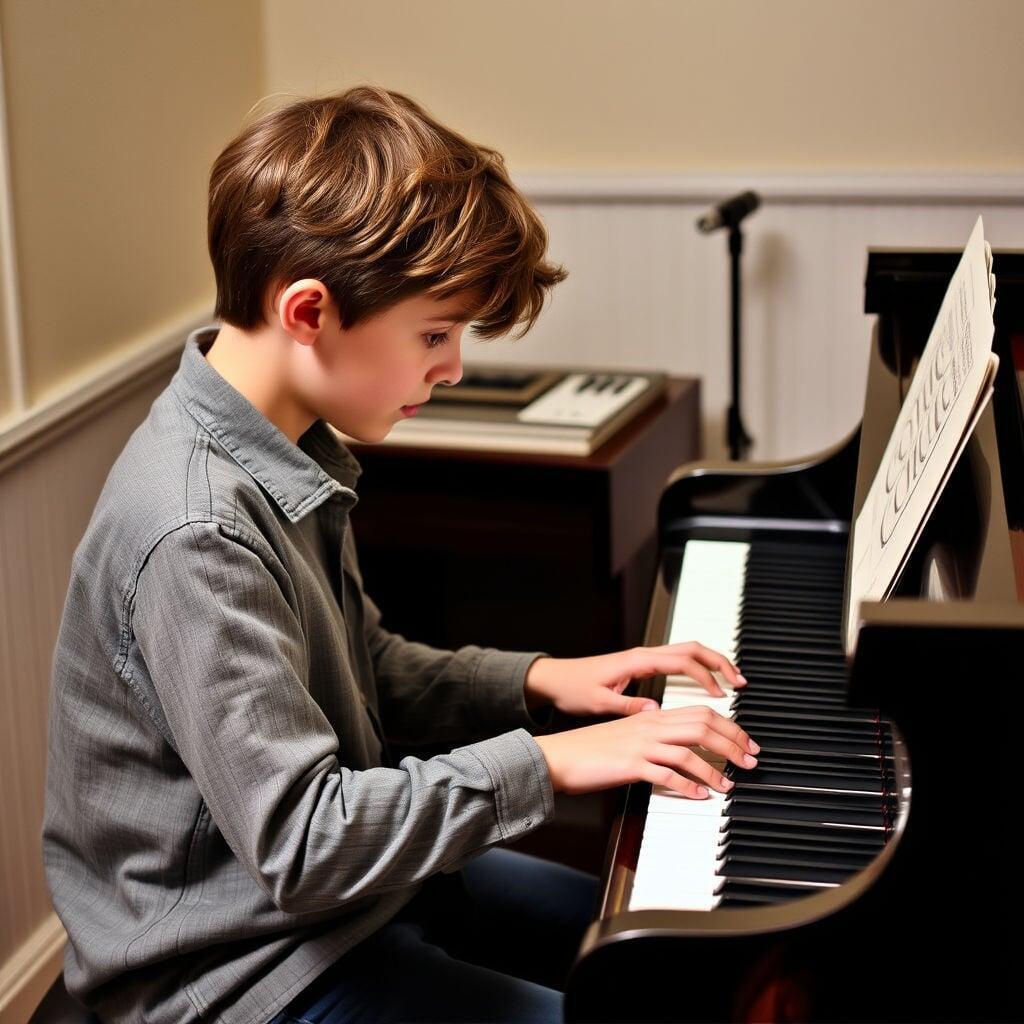
There isn’t one perfect age to begin music lessons, because readiness varies from child to child. Research, teaching approaches and developmental milestones all provide useful guidance, and help clarify when formal lessons make sense versus when playful musical exposure is more appropriate. From early-learning models to later-start success and ideal readiness ages, the following points break down how age, maturity and consistency affect learning.
Why There Is No Single “Correct” Age
Let’s clear up some misnomers from the beginning: the "right" age to start music lessons has been debated by educators for generations, and the answer is both simpler and yet more complex than you might expect.
How Early Learning Models Like Suzuki Work
The Suzuki method famously begins violin instruction at ages 3-4, based on the philosophy that children learn music the same way they learn language through immersion and repetition.
Why Starting Later Can Still Lead to Success
Studies in the US draw attention to the fact that students who begin lessons at age 8 or 9 can catch up to earlier starters within just a few years, provided they practice effectively and consistently.
The Ideal Age for Most Formal Lessons
What most academics agree on is that, for the majority of instruments, age 6-7 represents a sweet spot for beginning formal lessons. By this age, children typically have the attention span for 20–30 minute lessons and the fine motor control needed for most instruments.
Why Informal Musical Experiences Start Earlier
Singing, dancing, and exploring simple rhythm instruments can start in toddlerhood. These activities build musical aptitude even without formal instruction.
Research Supporting Later Starts
A 2014 study published in Psychology of Music found that students who started piano lessons at age 6 showed greater long-term retention and motivation compared to those who started at age 4.
Learn to Play Piano for Adults
Many adults are surprised to learn that starting music later in life comes with meaningful advantages. Motivation, reasoning skills and self-awareness all support successful learning, especially when choosing an instrument that offers fast results and flexible musical expression. The next sections explore why adults can learn effectively, why piano is such a strong fit, and how trends, resources and practice habits support adult progress.
Why Adults Can Learn Music Successfully
Learning piano as an adult is not only achievable, but comes with distinct advantages. Adults bring abstract reasoning skills, self-discipline, and clearer motivation.
Why Piano Is the Best Instrument for Adult Beginners
Unlike instruments that require embouchure or physical stamina, piano is straightforward: sit, press keys, make music. Adults also see immediate progress, which helps motivation.
Why Piano Appeals to Different Styles and Goals
Many adults gravitate toward piano because it supports classical, pop, jazz, film scores, songwriting and more. Resources for adult beginners have exploded in recent years.
The Pandemic Surge in Adult Music Learning
According to Fender, 16 million Americans picked up an instrument during 2020 many over age 35. Online lesson subscriptions rose more than 100%.
How Adults Can Improve With Limited Practice Time
Even 15–20 minutes of focused daily practice yields results. Dr. Gary Marcus documented meaningful progress as an adult learner in Guitar Zero.
Finding the Right Path Forward

No matter the age, the most important factor in musical growth is choosing an instrument that inspires consistent practice and enjoyment. Supporting children in making their own choices, encouraging teens to stay engaged, and allowing adults to start without pressure all play a role in long-term musical success. The following ideas highlight how interest, autonomy and confidence shape the journey for every age group.
Why Interest Matters More Than the “Perfect” Instrument
When it comes down to it, the best instrument to learn is the one that excites you enough to practice regularly.
How Parents Can Support Children Choosing an Instrument
Starting with group classes for ages 3–5 provides exposure without pressure. Letting kids choose their instrument increases commitment.
Why Adults Should Feel Confident Starting at Any Age
Learning piano at 45, 65, or 85 is not only acceptable but potentially life-changing. Studies suggest it may help maintain cognitive function.
Frequently Asked Questions About Choosing the Best Instrument by Age
Q: What is the best instrument for young children to start with?
A: For ages 3–5, simple percussion instruments and the ukulele are great choices because they don’t require advanced motor skills. Piano also becomes an excellent option around age 5 and up.
Q: When should my child start formal music lessons?
A: Most children are ready for structured lessons around ages 6–7 when attention span and coordination improve. Before that, playful musical exposure is ideal.
Q: Can a child start learning violin at a young age?
A: Yes. With the Suzuki method and correctly sized instruments, many children begin violin between ages 3–5, though progress depends on maturity and support at home.
Q: What instrument is best for teens who are just starting out?
A: Teens often succeed when they choose their own instrument. Popular beginner-friendly options include guitar, piano, drums and voice, depending on interest and personality.
Q: Is it harder for adults to learn an instrument?
A: Not at all. Adults bring focus, discipline and motivation that help them learn effectively. Piano is especially popular because it offers quick results and suits all musical styles.
Q: How much practice is needed to make progress at any age?
A: Consistency is more important than duration. Even 15–20 minutes a day can lead to noticeable improvement for kids, teens and adults.
Q: What if my child wants to switch instruments later?
A: Switching is common and perfectly fine. Exploring different instruments can help students find the one that inspires long-term engagement.
Q: Should parents choose the instrument for their child?
A: Guidance is helpful, but allowing children input dramatically increases motivation and the likelihood they’ll continue learning.
Q: What instrument is best for someone with no musical background?
A: Piano and ukulele are often the easiest entry points because they offer fast results, clear structure and approachable technique.
Q: Is it ever too late to start learning music?
A: Absolutely not. Adults of any age including seniors can learn, enjoy and benefit from playing an instrument.
Start Your Musical Journey at Any Age
Whether you’re helping a young child pick their first instrument, guiding a teen toward something they’ll stay excited about, or finally exploring music as an adult, the right starting point can make all the difference. At Greater Toronto Music School, we support learners of every age with patient teachers, personalized guidance and lessons that build confidence from the very first note. If you’re ready to begin, simply reach out by phone or through our contact form we’d love to help you or your child start your musical journey.