
Looking to start your musical journey and wondering which keyboard piano is right for you? Whether you're a complete beginner or upgrading from a smaller model, finding the best keyboard piano can make a big difference in how you learn and enjoy music.
With so many styles, features and sizes available, it’s easy to feel overwhelmed, especially if you’re not sure how many keys on a piano you actually need or whether a digital piano keyboard is the right fit for your goals.
That being said, in this guide we’ll break everything down clearly for you. From the difference between a keyboard piano vs. acoustic piano, to understanding touch sensitivity, action and must-have features for beginners, you’ll have all the information you need to choose confidently. Whether you’re buying for yourself or a loved one, this guide is your starting point to finding the perfect keyboard piano for beginners and beyond.
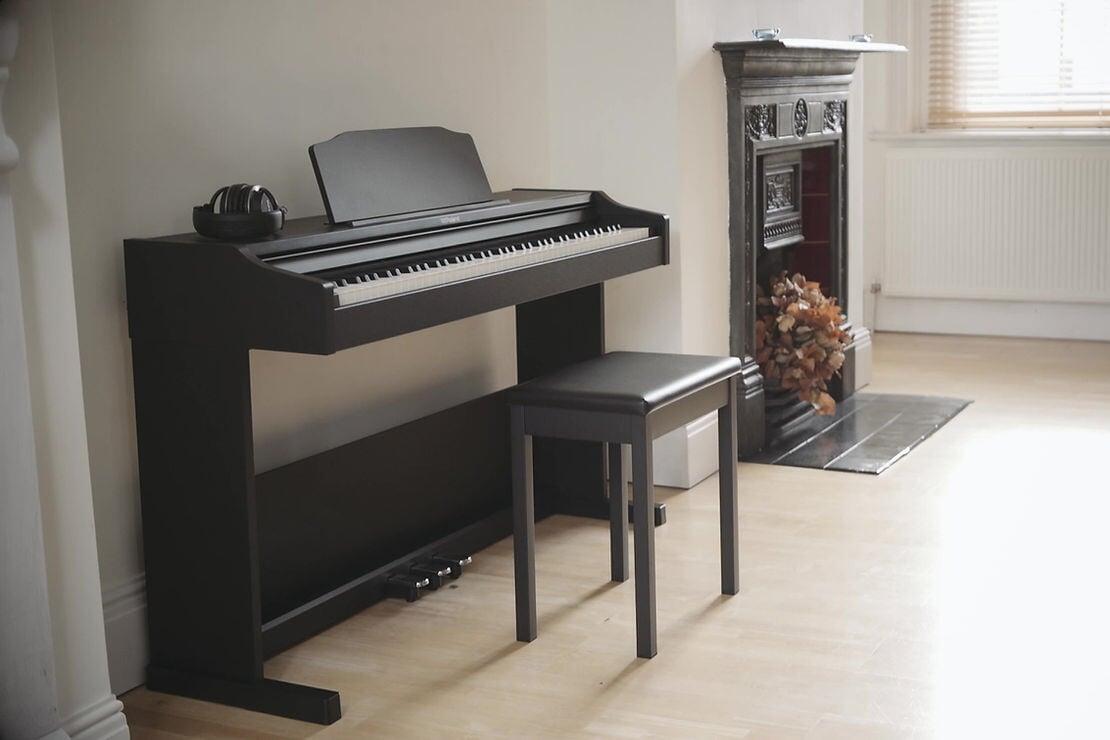
The Basics: Why Choosing the Right Keyboard Matters
When you're just starting out, choosing the right keyboard piano may appear simple, just get one that fits your budget, right? Not exactly. The truth is that the instrument you start with can influence how quickly you learn, how comfortable you feel while playing and how much you like the experience.
A well-chosen keyboard piano for beginners should be simple to use, fit your space and provide enough functionality to support your learning journey. If your keyboard is too tight or lacks sufficient touch sensitivity, it might hinder your progress and make practicing frustrating rather than enjoyable.
A keyboard with weighted keys, for example, can better replicate the sensation of an acoustic piano, allowing you to develop finger strength and dynamic control. Choosing a model with enough keys (at least 61, preferably 76 or 88) will also ensure that you are not limited as your talents develop. Built-in learning elements such as metronomes, instructional modes and USB/MIDI connectivity can also further enhance the experience as well.
Whether you want to perform classical music, write songs or simply play at home, the right digital piano keyboard allows you to pursue your interests and progress at your own speed. It's not simply a purchase, but it's a commitment to your musical future. Taking the time to select the right keyboard from the start will make your learning experience easier, more pleasurable and rewarding overall.
Keyboard Piano vs. Acoustic Piano: What’s the Difference?
When choosing between a keyboard piano and an acoustic piano, it's important to grasp the fundamental differences, especially if you're a beginner searching for the best way to get started. So let’s break it down.
An acoustic piano is a traditional instrument that features actual strings and hammers. When you push a key, a hammer strikes a string, creating sound. This produces rich, organic tones and dynamic expression, which many musicians enjoy. However, acoustic pianos are heavy, expensive and require frequent tuning and maintenance.
In contrast, a digital keyboard piano electronically reproduces the sound and feel of an acoustic piano. While it may not have the same depth as a real piano, modern keyboards come very close, especially those with weighted keys and high-quality sound engines. Keyboards also offer helpful features like volume control, headphone jacks, recording functions and a wide range of instrument sounds.
For beginners, a keyboard is often the better option. It is more affordable, portable and space- efficient, making it suitable for home practice. Furthermore, many models come with built-in learning capabilities to help you progress.
In all, if you're just starting out and need something practical, a keyboard piano for beginners is an excellent choice. It allows you to learn all of the foundations of piano playing without the expense or space constraints of an acoustic piano. You can always upgrade as your skills improve, but for now, a sturdy keyboard will work just fine.
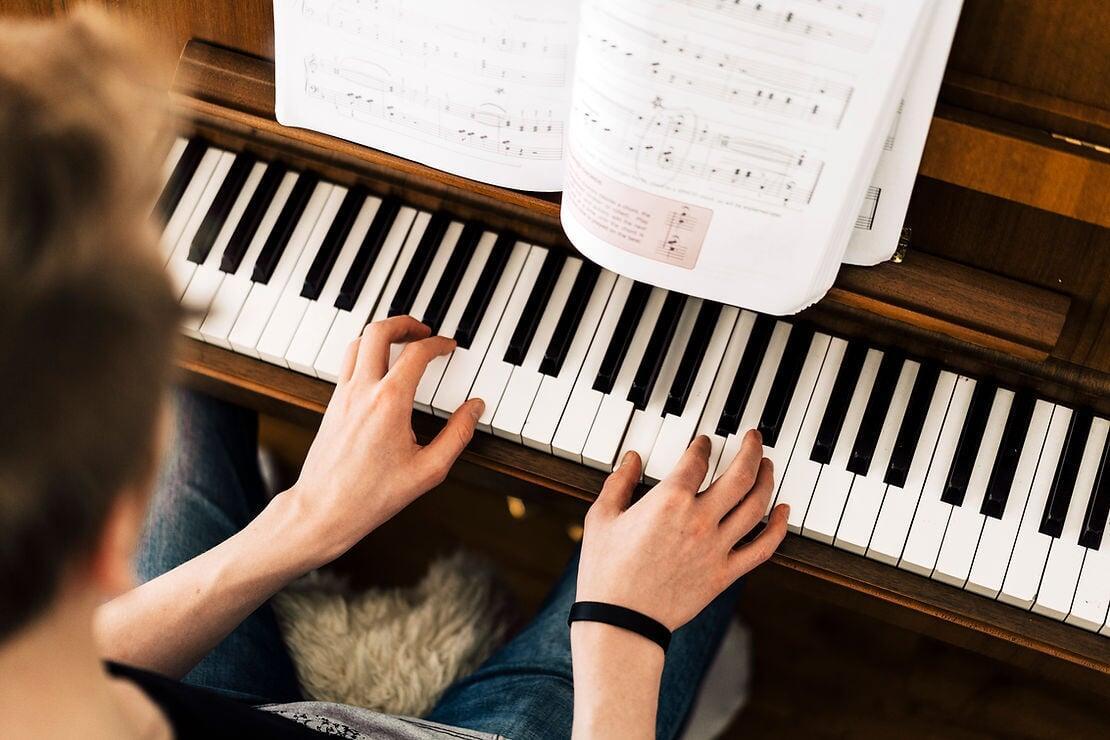
How Many Keys on a Piano Do You Really Need?
When you hear “piano keyboard,” you’ll notice they come in different sizes such as 37, 61, 76 or the standard 88 keys. So what does that mean for you? Here’s what to keep in mind.
● 37 to 49 keys are very compact and great for melodies or composing on the go, but you won’t be able to play songs that require a full bass or treble range.
● 61 or 76 keys give you more range, enough for most pop tunes and practice, while still
staying portable.
● 88 keys is the full piano range, matching acoustic pianos. If you plan to learn classical
repertoire or move to an acoustic later, 88 keys are essential. Most piano teachers recommend starting with a full-size keyboard to develop proper technique and repertoire skills.
Choosing fewer than 88 keys might limit your progress if you dive into full piano literature. For beginners transitioning to lessons, 88 keys is the safest long-term investment.
What You Need to Know: Weighted Keys, Touch Sensitivity and Action
Now that we’ve gone over the basics, let’s have a deeper look at what you need to know about weighted keys, touch sensitivity and action.
1. Weighted Keys
Fully weighted keys mimic the resistance of acoustic piano keys. This builds finger strength and helps with smooth playing technique.
For example, the Yamaha P225B uses 88 fully weighted keys that feel purpose-built for real piano playing.
The Casio PX‑770BK also offers scaled hammer action which are lighter in treble, heavier in bass, closely imitating acoustic key response.
2. Touch Sensitivity
This feature allows the volume and tone to reflect how hard or soft you press a key. Any
keyboard piano without this limits expressiveness so it’s a must-have for serious playing.
3. Action Type
● Graded hammer action simulates real piano mechanics.
● Semi-weighted or synth-action keys feel lighter and are suited for general playing or
beginners, but don’t prepare you for acoustic transitions.
All that said, weighted keys and velocity-sensitive action are critical for developing proper technique and expressive playing.
Best Keyboard Piano Features for Beginners
Here are key features you’ll want when choosing your first piano keyboard:
● Built-in Metronome: Helps build rhythmic accuracy, a core skill for all musicians.
● Recording Capability: Allows self-review and is great for tracking progress.
● Lesson Modes and Tutorials: Some models include built-in guides, while others
integrate with online apps.
● USB/MIDI Connectivity: Connects your keyboard to computer apps for interactive
learning or music production.
● Headphone Jack: Allows you to practice quietly anytime.
● Portable Speakers: Ensures clear sound at home without extra equipment.
● Adjustable Touch Settings: Useful for beginners who may want softer touch until they develop finger control.
These aren’t just “extra perks”, they support consistent learning and make practice more
engaging.
Top Keyboard Piano Brands to Consider
Several brands stand out for their beginner-friendly keyboards, such as:
1. Yamaha
● P‑45: Full 88‑key, graded hammer action, reliable sound.
2. Casio
● Privia PX‑770BK: Ranked highly for action quality, polyphony and features, as well as
has excellent value at around CAD $1200.
3. Roland
● FP‑30X: Known for excellent key feel, strong sounds and low-latency USB/MIDI,
making it a favourite among serious learners.
These models consistently receive praise for combining realistic action, useful features and reliable performance, making it the ideal keyboard piano for beginners. For more recommendations, check out our guide for the best digital pianos for beginners here.
Portable vs. Console Digital Pianos
When choosing a digital piano, one key decision is between portable and console models. Each offers unique benefits: portability for flexibility and travel or console style for a more traditional, home-friendly setup.
That being said, let’s break down the differences to help you find what fits your space, routine and musical goals best.
1. Portable Keyboards
● Lightweight and easy to move.
● Best for tight spaces or performance applications.
● Has 88‑key and is stage-ready.
2. Console Digital Pianos
● Come with stands and pedal systems, resembling upright pianos.
● More stable and home-friendly but bulkier.
● Models with optional stands offer a home piano feel.
FAQs About Buying a Keyboard Piano
Q: Do I need all 88 keys to start learning piano?
A: Not necessarily. While full-sized 88-key keyboards are ideal, many beginners start with 61 or 76 keys. However, if you intend to take professional lessons or eventually transition to classical music, starting with 88 keys provides you with the full range and eliminates future constraints.
Q: Are weighted keys useful for beginners?
A: Yes they are! Weighted keys help to replicate the feel of an acoustic piano, allowing you to develop optimal finger strength and technique. It is one of the most significant qualities if you intend to learn.
Q: Should I get a portable or console keyboard?
A: It all relies on your available space and goals. Portable keyboards are ideal for flexibility and limited places. Console digital pianos, on the other hand, resemble real pianos and are more suited for household use.
Q: Is a digital piano better than an acoustic for beginners?
A: Beginners usually prefer digital pianos. They are low-cost, require little maintenance and include features such as metronomes and headphone jacks. Acoustic pianos also produce a deeper tone, but require more maintenance and space.
Learn to Play on the Right Keyboard For You with Greater Toronto Music School
Ready to start your piano journey but not sure where to begin? At Greater Toronto Music School, we help you choose and study the proper keyboard piano. Whether you're just getting started or returning to music after a break, our skilled teachers will walk you through the process step by step. We cover everything from posture and finger technique to reading music and knowing your instrument, whether you play a digital piano keyboard or an acoustic piano.
Learning piano should feel exciting and empowering, not overwhelming. Start on the right note with the support of passionate instructors who are here to help you succeed. Give us a call or fill out a contact form to get started!

We sometimes use affiliate links to products on retailer sites. If you click on those links and make purchases through them, we may receive a commission at no additional cost to you.